
Author: Lokiru Samuel – APCA
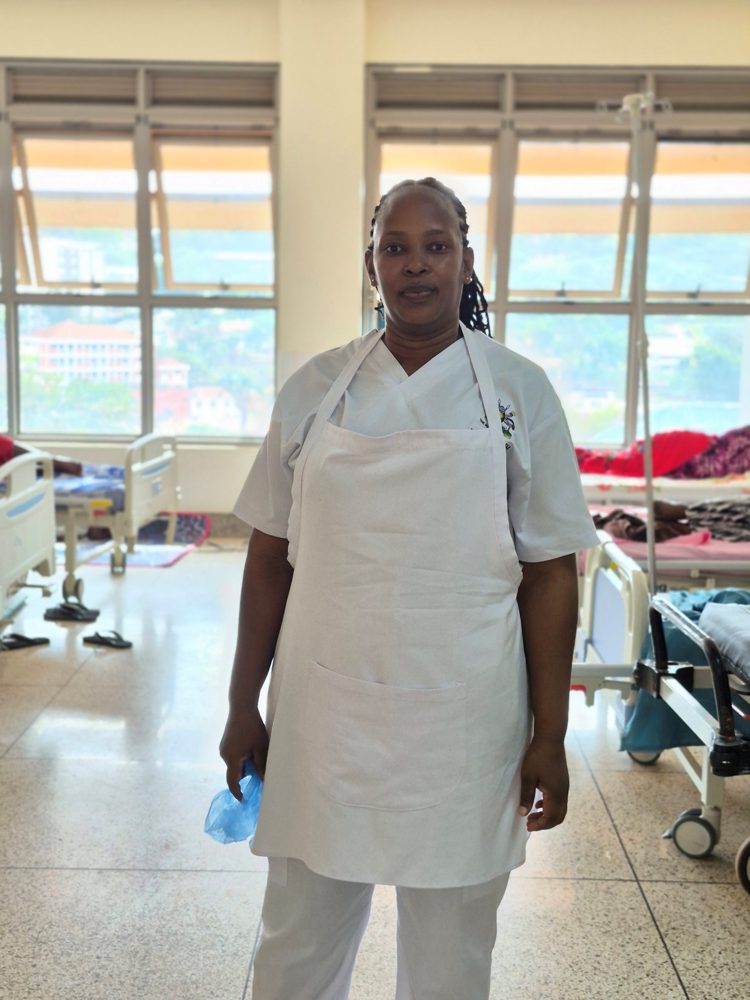
Sr. Asha, a senior nursing officer at the breast clinic of Mulago National Referral Hospital, had spent years caring for people diagnosed with breast cancer. She understood the disease, the investigations patients underwent and the treatment journeys they faced. But when she developed breast cancer herself, professional knowledge could not shield her from the realities of becoming a patient.
Her journey began while she was breastfeeding. She developed mastitis and received antibiotics for about two months, but the symptoms persisted. Further investigations followed. A scan, MRI and subsequent biopsy confirmed the diagnosis: she had breast cancer.
She later underwent a CT scan as part of her assessment before having a mastectomy, a surgical procedure to remove the breast. This was followed by six rounds of chemotherapy at Uganda cancer institute and radiation therapy at Aga Khan Hospital in Kenya and she is still on hormonal therapy.
Treatment came with financial strain, psychological distress and disruption to everyday life. Chemotherapy, in particular, was difficult.
“For me, chemotherapy was particularly difficult. I have always felt fatigued,” she said. As she spoke, the effects of her illness were visible in her physical appearance. She raised and lowered her left hand to demonstrate its limited mobility.
“I cannot do much with my left hand,” she explained.
Hair loss was another concern. “The knowledge that this could result in hair loss can automatically lower one's self-esteem,” she said.
For someone accustomed to caring for others, having to contend with her own physical limitations was a difficult adjustment. Yet she did not walk the journey alone. Her husband remained by her side, offering practical support when the effects of treatment left her struggling with even simple tasks.
“Lucky for me, my husband supported me throughout the difficult times. Some days, he would hold me by the shoulder to help me get out of bed, then walk with me around the room just to stretch my feet.”
Working at the breast clinic also helped her confront the diagnosis. Having interacted with breast cancer patients, she understood the importance of seeking care and accepting the reality of the disease.
“I accepted my situation and was not living in denial,” she said. But knowing about cancer professionally did not make experiencing it personally any easier.
Reflecting on her experience, Sr. Asha encourages people to seek medical attention early when they notice unusual or persistent breast changes.
“Not every breast problem is cancer, but symptoms that persist should be investigated rather than ignored. So, come to the hospital early,” she urged.
She also has a message for men. For those in intimate relationships, she encourages men to look beyond intimacy and pay attention to their partners’ breast health, including noticing unusual changes and encouraging medical assessment when necessary.
Sr Asha also wants men to understand that breast cancer can affect them, too. “In my work, I have encountered approximately three male breast cancer patients,” she said, challenging the perception that the disease affects women alone.
Her message to anyone facing breast cancer is grounded in the realities of her own experience: “The journey is long, but walkable.” The road can bring physical exhaustion, emotional distress and financial pressure, but early assessment, family support and appropriate care can help patients navigate it.
Take action this Breast Cancer Awareness Month. The African Palliative Care Association (APCA) calls on you to check your breasts, seek medical attention for unusual changes, and encourage a loved one to do the same. Men, support your partners in prioritising breast health and remember that breast cancer can affect you, too. Share Sr. Asha’s story to help others recognise the importance of early assessment and compassionate care.


