Evidence Based Care
155
Education scholarship awarded over the years
30
Countries Supported to develop Palliative Care Services
275
Small grants awarded towards the support of palliative care service delivery
985
Children receiving Palliative care (Small Grants)
23581
Adults receiving palliative care (Small grants scheme)
20
African Ministers of Health meetings on palliative care convened
173
Peer reviewed palliative care publications
86
Partnerships developed across geographical regions
Discover more from our Evidence Section.
Latest Announcements
- Added:
- Added:
- Added:
- Added:
Stories from APCA
Explore the latest stories, news & articles from APCA
Read More
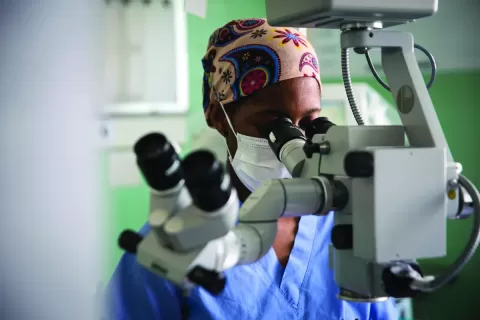
Author: Union for International Cancer ControlDr Omolola Salako is a Clinical oncologist and…
Read More
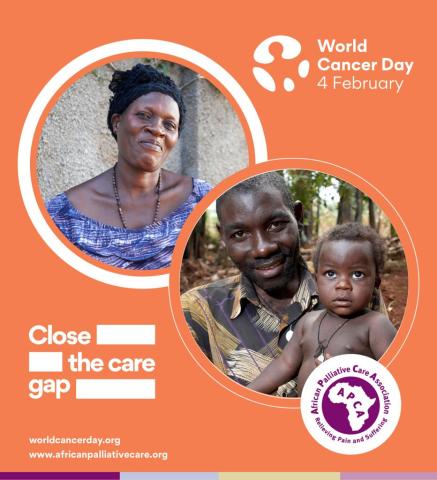
Half the world’s population lacks access to the full range of essential health services. When…
Read More
Author: Fatia Kiyange, Uganda, et alThe Waterloo Coalition Initiative: AbstractBackgroundFewer…

Read More
Author: Hospice Wits“Portia” is a 40-year-old female patient who has had epilepsy since infancy.…
Read More
Author: Franciscah Tsikai, MPhil, Zimbabwe & Wedzerai Chiyoka, African Palliative Care…
Read More
*This article was originally published by the Global Partners in Care under the title Intern…
Read More
Every death matters, and we only have one chance to get it right.As I listened to Dr Eve Namisango…
Read More
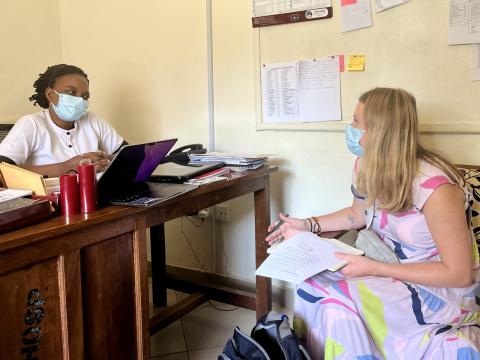
APCA had the pleasure of hosting Emily Karalus, a master’s research student pursuing her Master of…
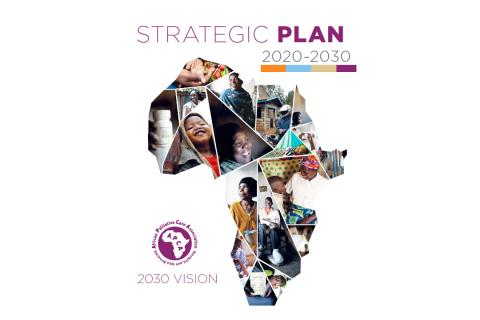
Read More
Today we join the rest of the world to commemorate World Hospice and Palliative Care Day 2020, with…
Every year, millions of people in Africa suffer from life-threatening and chronic illnesses, and the majority of them do not have access to quality palliative care
Donations, however large or small, are vital to African Palliative Care Association APCA’s ongoing work. Consider making a personal or corporate donation today to enable us to improve the quality of life for people with life-threatening illnesses, their families and their carers in Africa.